Telescope Gallery
Explore the technical specifications and groundbreaking discoveries of humanity's most powerful space observatories.
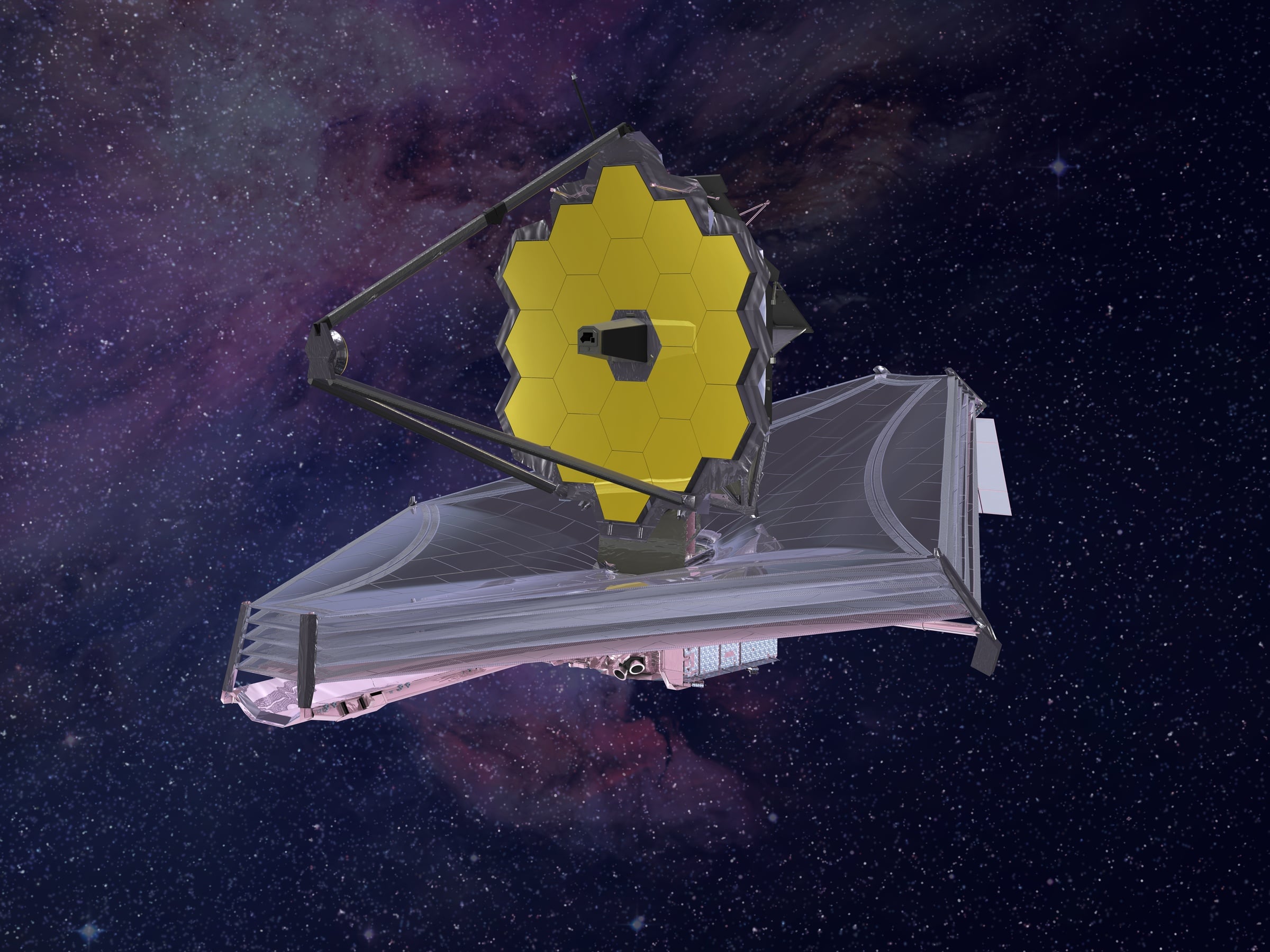
James Webb Space Telescope
The most powerful space telescope ever built, designed to peer back to the earliest galaxies and study exoplanet atmospheres in unprecedented detail.
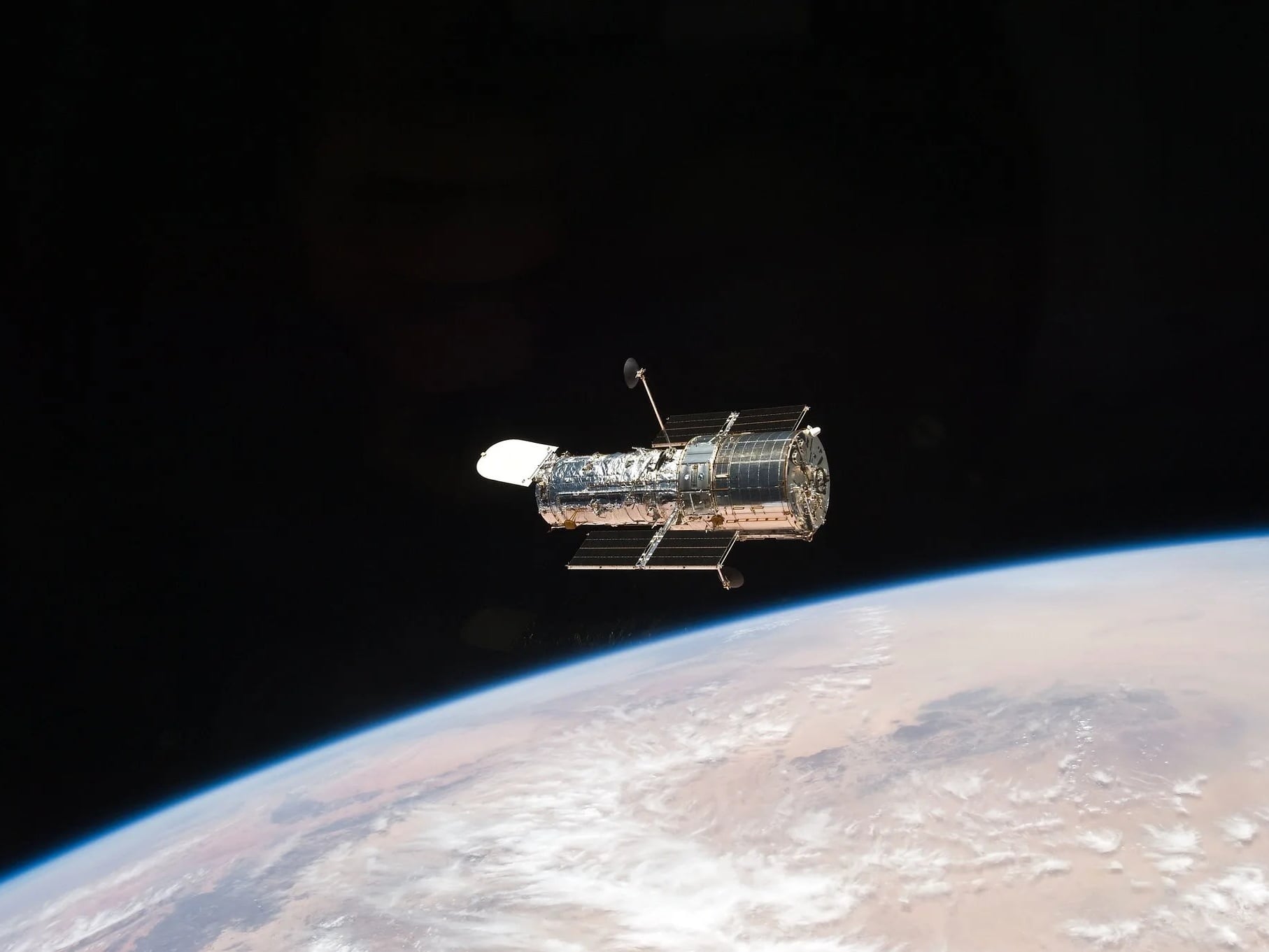
Hubble Space Telescope
The iconic observatory that transformed our understanding of the cosmos, from measuring the age of the universe to revealing the accelerating expansion driven by dark energy.
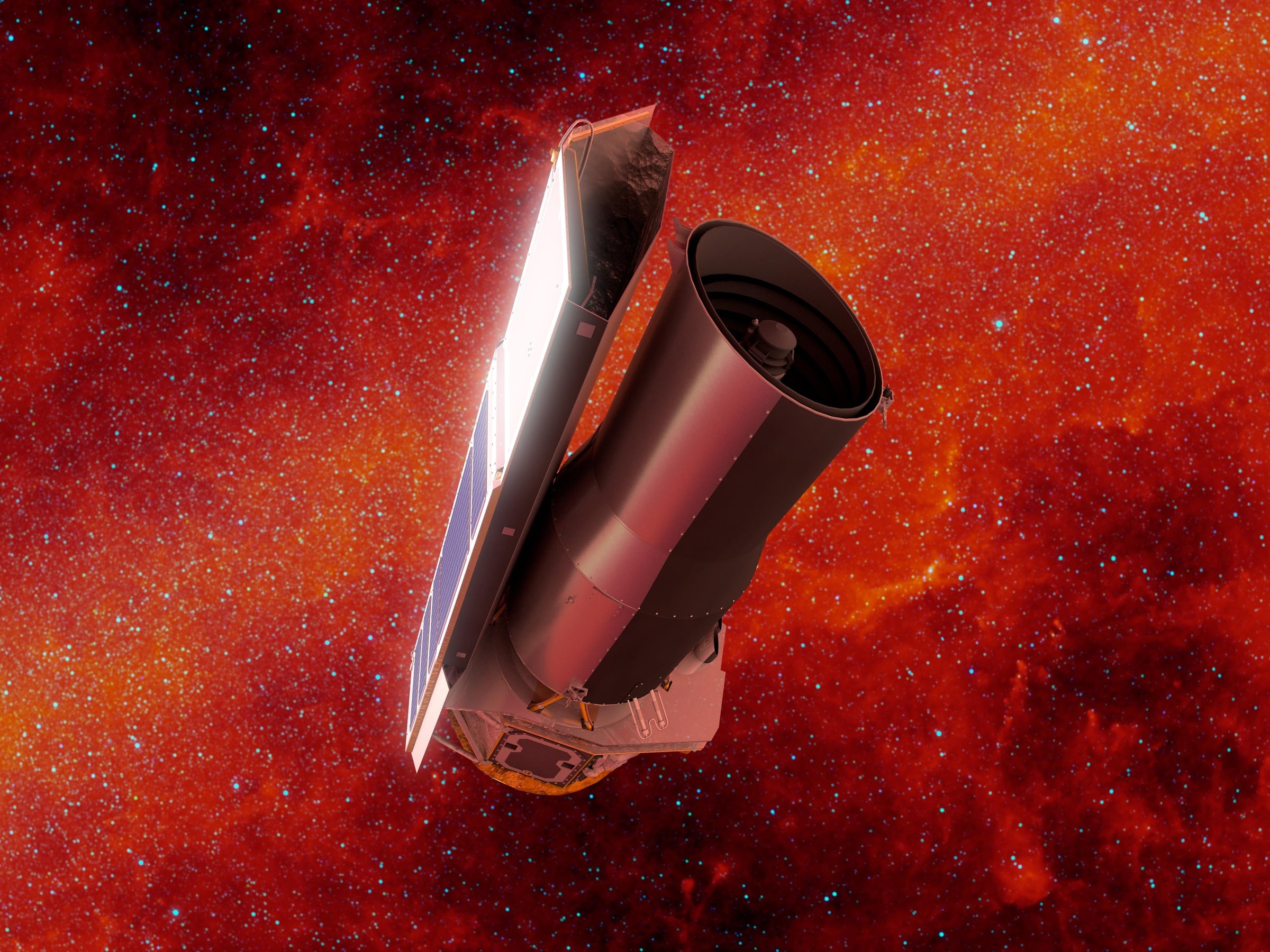
Spitzer Space Telescope
NASA's infrared great observatory that could see through cosmic dust clouds to reveal hidden stellar nurseries, distant galaxies, and exoplanet systems.
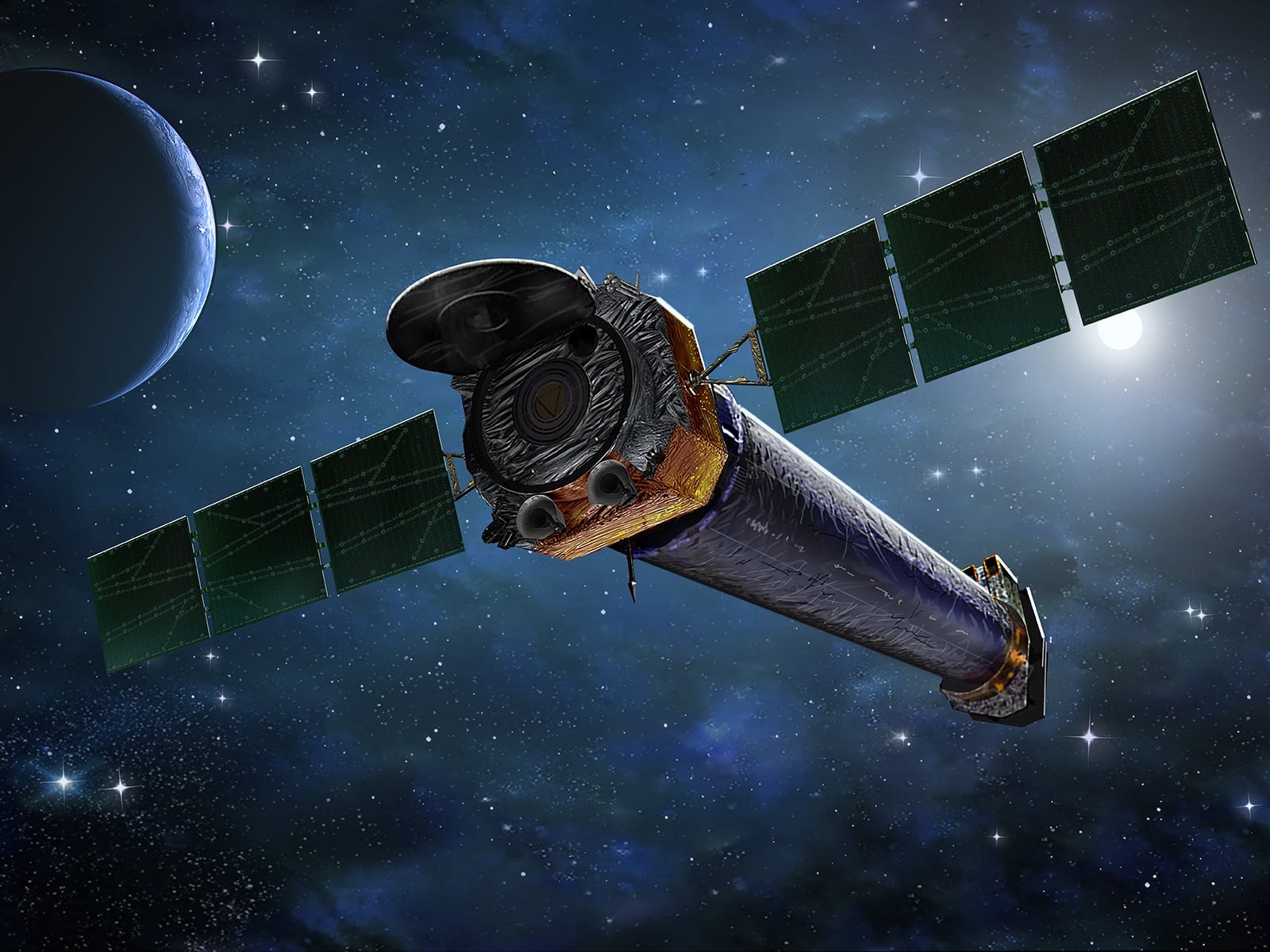
Chandra X-ray Observatory
The premier X-ray observatory, revealing the violent, high-energy universe — from supernova remnants to the environments around supermassive black holes.
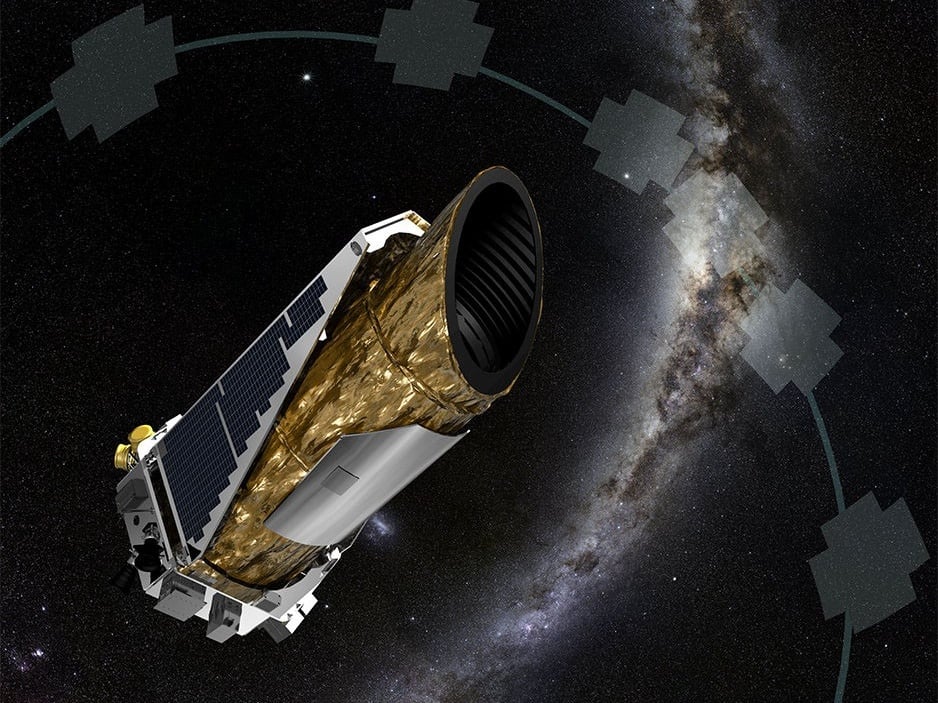
Kepler Space Telescope
The pioneer of exoplanet detection, Kepler stared at a single patch of sky for years, discovering thousands of planets and proving that planets are common in our galaxy.
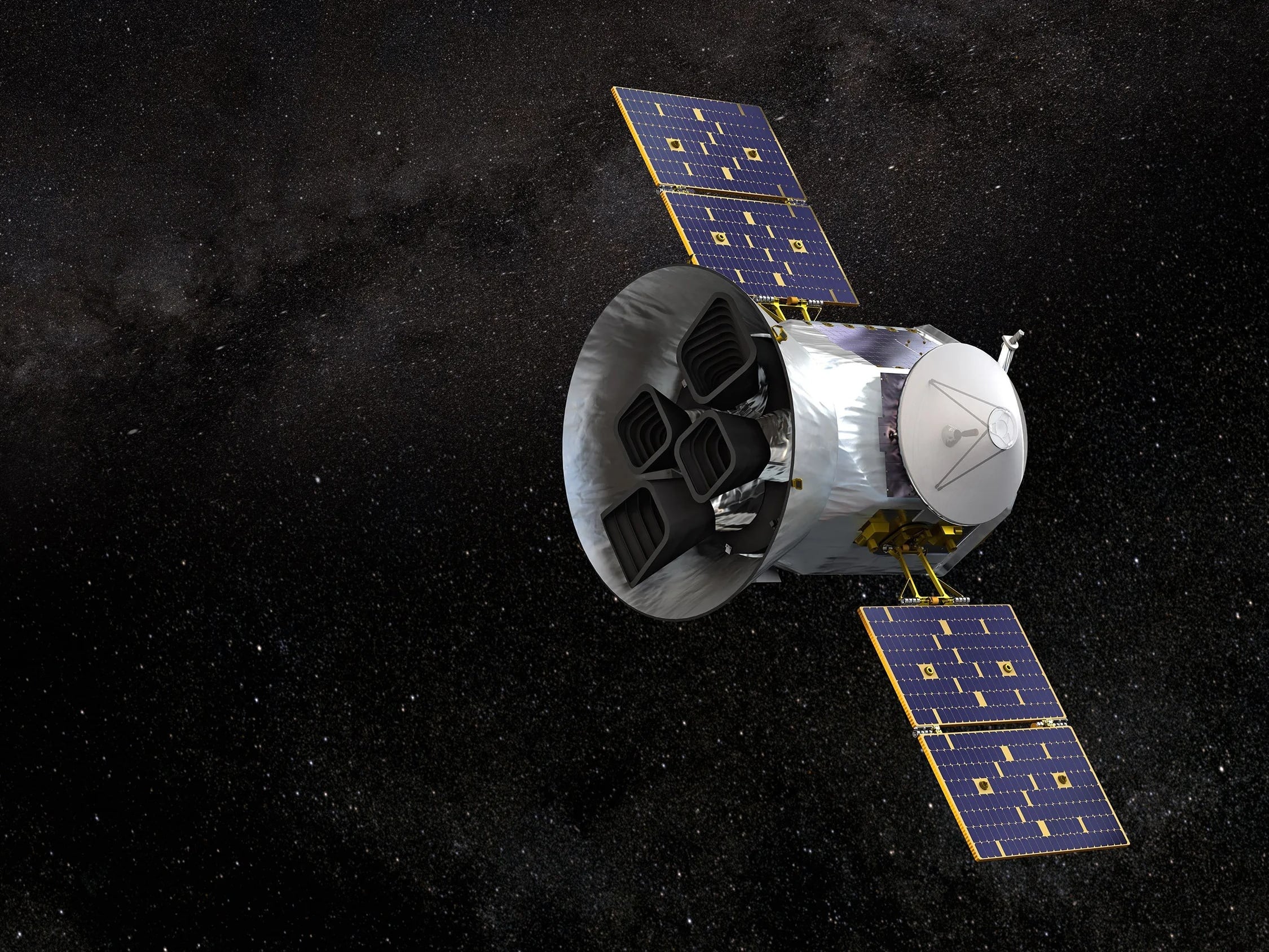
TESS (Transiting Exoplanet Survey Satellite)
Kepler's successor, surveying the entire sky for transiting exoplanets around the nearest and brightest stars, ideal for follow-up characterization by JWST.